Structural Drying in Ogden, UT
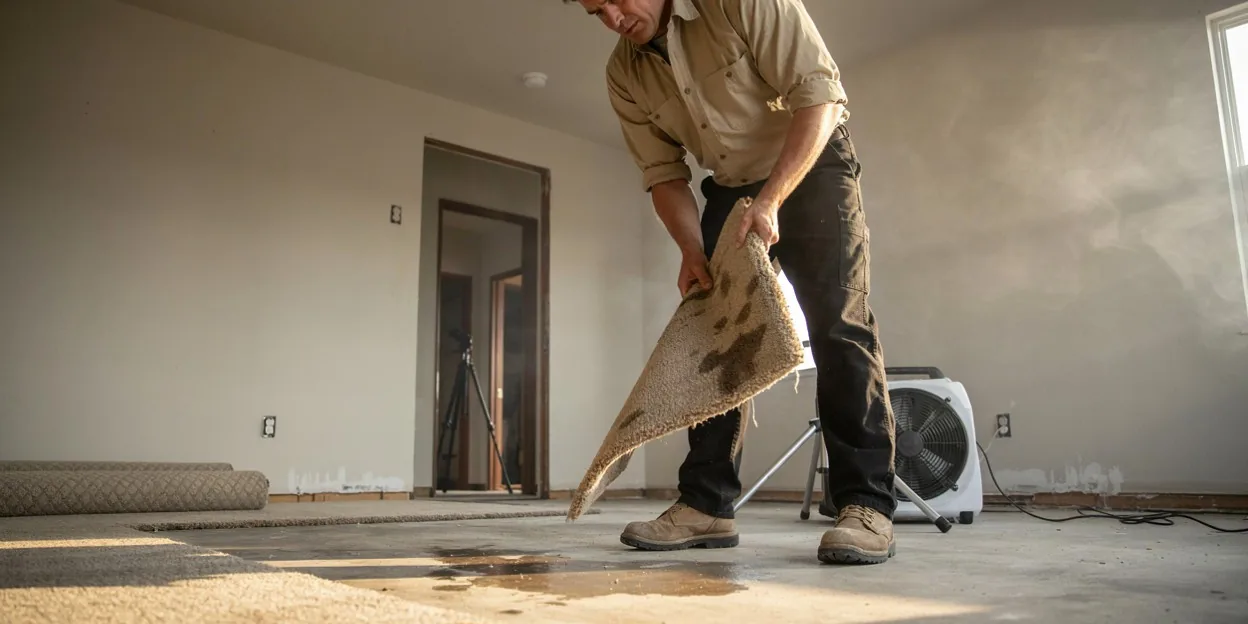
The plumber fixed the line on Monday, you ran two box fans all week, and by Friday the basement still smelled like a wet towel and the baseboard had started to pull away from the wall. This site connects you by phone with an independent local provider who dries out houses in Ogden and across Weber County after the water is gone.
Reading the wall before plugging anything in
The crew meters first. Drywall, framing, subfloor, and concrete each hold water differently, and each gets compared with a dry sample of the same material somewhere else in the house. From those readings comes a drying plan: which rooms get air movers, how many dehumidifiers the space needs, and whether a wall cavity gets dried through small holes at the base or opened up.
Air movers push air across wet surfaces so the moisture leaves the material. Dehumidifiers pull that moisture out of the room air so it does not settle back into the next wall. In a closed Utah basement in February, with the furnace running and the windows shut, the dehumidifier is doing most of the work.
What to do while the equipment is running
Leave it on. The machines are loud, they warm the room, and they need to run around the clock to keep the readings moving. Keep doors to the drying area closed the way the crew left them, and keep kids and pets out of rooms with cords across the floor. Do not put the baseboard back or paint the wall between visits.
If a machine trips a breaker or stops, call the provider rather than moving it to another outlet. The crew comes back to take readings, and the readings decide when the job is done.
Framing dries, pad does not
Most framing, subfloor, and concrete dry in place. Drywall that got wet in the bottom foot often dries when it was caught inside a day, and comes out when the readings stay high after a couple of days of drying. Carpet pad, wet insulation, and particleboard cabinet bases nearly always come out because they will not dry in time to stay clean.
Wood floors get their own attention. A cupped oak floor in a 1920s bungalow can sometimes be pulled flat with drying mats if the crew gets to it early. Drying starts after water extraction has removed the standing water, and on a basement loss it follows basement flooding cleanup once the wet material is out.
Dry air outside, wet basement inside
Ogden's climate is dry most of the year, which sounds like an advantage and often is not. A basement with the windows shut and the furnace on holds moisture no matter what the humidity reads outside, and the concrete on the west side of the county keeps feeding water into the room from the saturated soil around it. In spring, when the water table is high after snowmelt, the crew may leave the dehumidifier running longer than the drywall alone would need.
Winter losses have a different problem. A frozen line that split in a garage wall wets the wall from the inside, and the cavity stays cold. The crew sometimes drills small holes at the base of the wall and pushes warm dry air into the cavity rather than opening the whole thing.
Drying records matter to the claim. The daily readings show the adjuster that the materials were wet, that they dried, and how long it took. Ask the provider for the log at the end of the job.
Calling about a house that will not dry out
Have the address ready. Say when the water stopped, what has already been done, which rooms still feel damp, and whether the loss was in the basement. Mention wood floors or a finished wall that took water. Call (385) 557-6268.